

New Oxfam Report: South Africa’s Richest Billionaire Owns More Than the Poorest 70% Combined
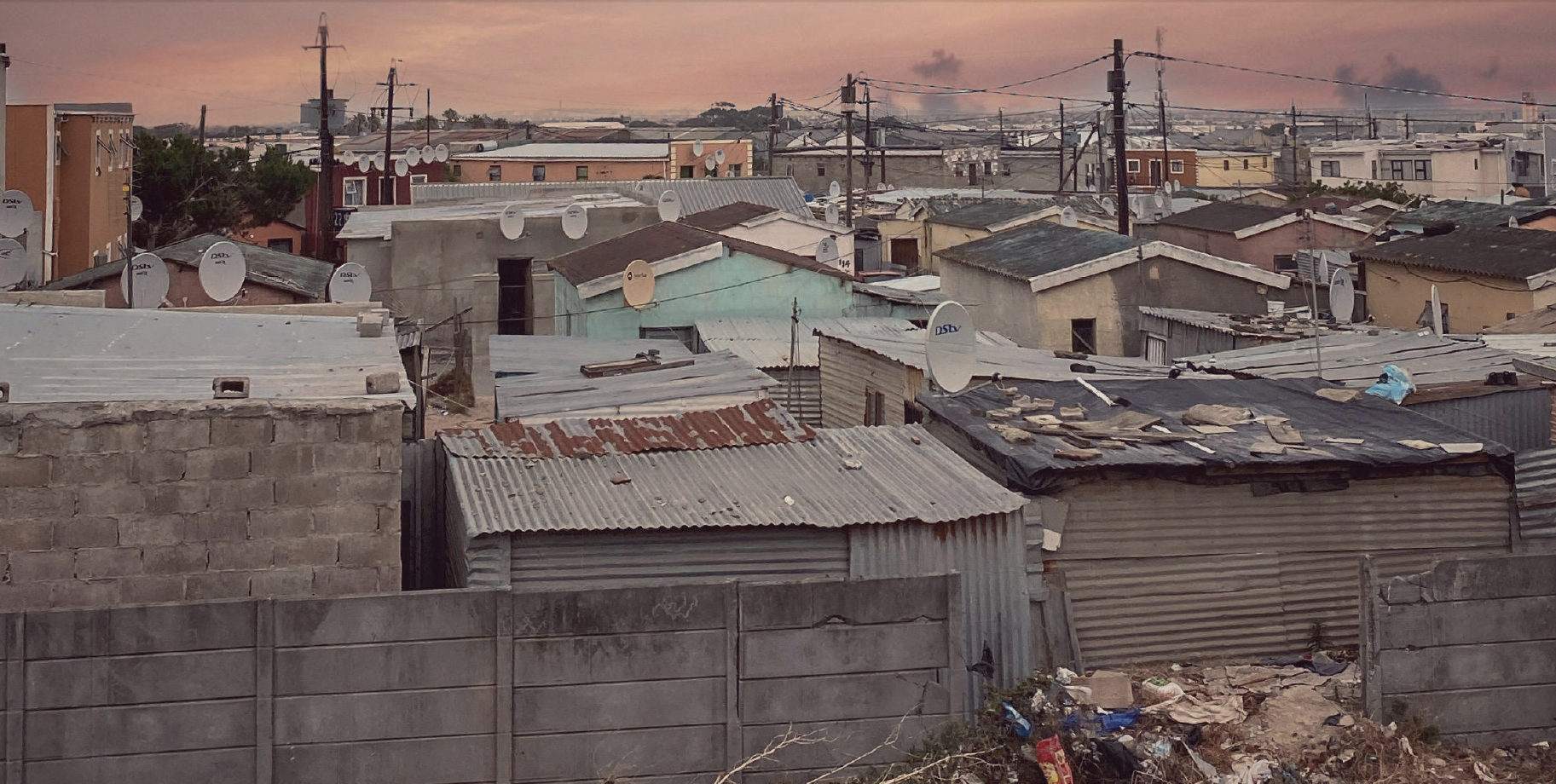
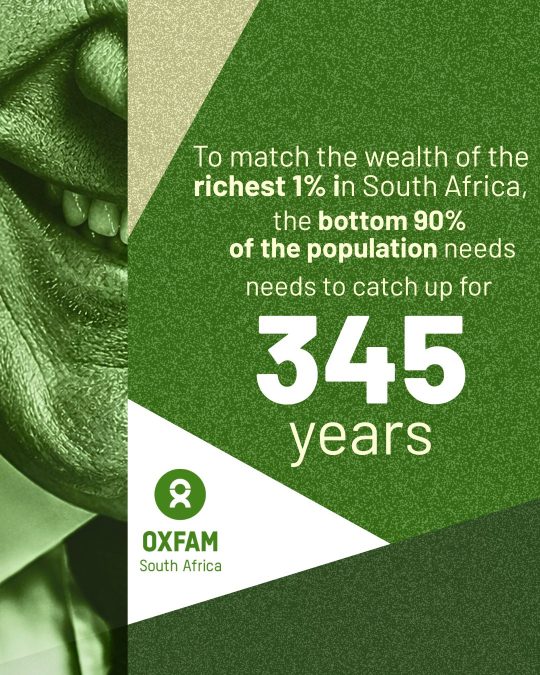
‘Hoarded Wealth, Dignity Denied’ finds someone in the bottom 90% of South Africans would need 345 years to accumulate the wealth of the average person in the richest 1%, and sets out a four-point plan to close the gap
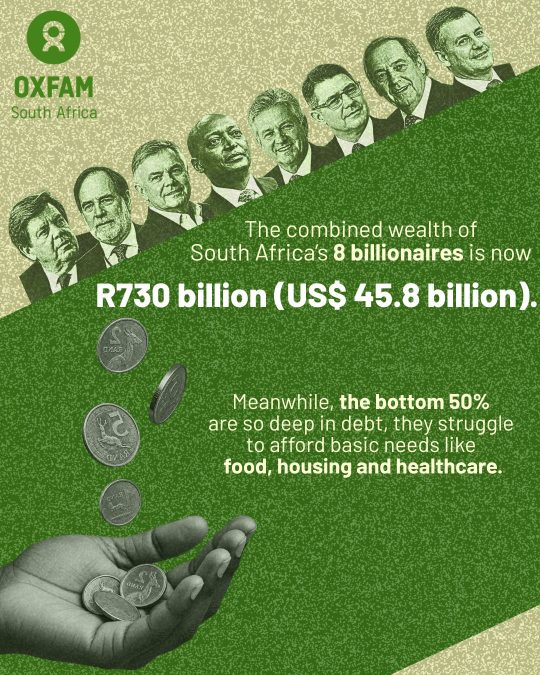
Cape Town, 1 October 2026 — Oxfam South Africa today launched a major new report confronting the scale of wealth inequality in the country, finding that South Africa’s single richest billionaire owns more wealth than the poorest 70% of the population combined, and that someone in the bottom 90% of South Africans would need 345 years to accumulate the wealth held today by the average person in the richest 1%.
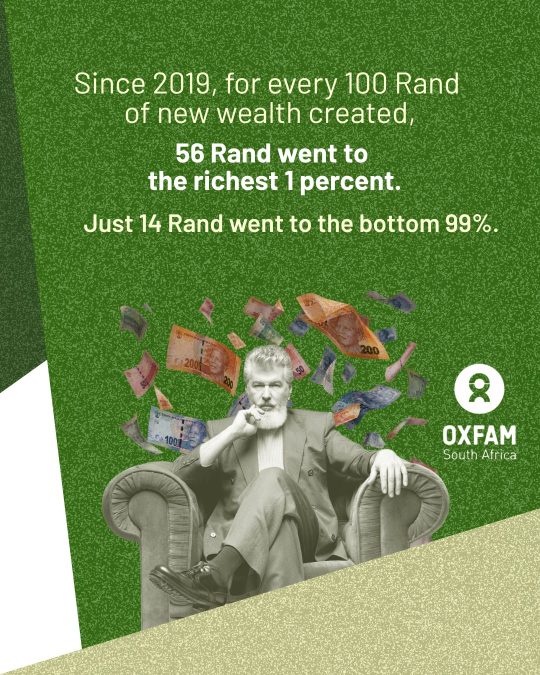
The report, ‘Hoarded Wealth, Dignity Denied: Confronting the Country’s Extreme Wealth and Inequality Emergency’, finds that the richest 1% of South Africans held 54.9% of the country’s wealth in 2024, up from just under half in 1994, while the bottom half of the population now holds negative wealth, meaning their debts outweigh what they own. South Africa’s top 10% hold 85.7% of national wealth, a higher concentration than Brazil (71.9%) or the United States (69.5%).
The report also finds that land ownership remains one of the clearest illustrations of unfinished economic transformation: white South Africans, who make up around 7% of the population, still own 72% of individually owned farmland, compared to just 4% owned by Black African individuals.
Notably, the report cites Patriotic Millionaires’ 2025 survey of South African millionaires, which found that 70% would support a 2% wealth tax if it funded social protection, education or the energy transition, and that 85% agreed extreme wealth concentration poses a threat to democracy.
“South Africa does not have an inequality problem because there isn’t enough wealth in this country. It has an inequality problem because of who owns that wealth,” said Pooven Moodley, Acting Executive Director of Oxfam South Africa. “This report is a call to move the conversation beyond how much we spend on social grants, and toward the harder question of who benefits from our economy as it stands, and what it would take to change that.”
The report sets out five priority actions: developing a National Inequality Reduction Plan, putting women at the centre of economic policy, taxing extreme wealth, investing in care, public services and social protection, alongside international cooperation.
Connect with us
Get all the latest updates and information about work done by Oxfam South Africa


